HR Strategy at Goldman Sachs: Building Leadership in the Financial Industry

A Competitive and Performance-Driven Culture

Goldman Sachs is one of the world’s most influential financial institutions, known for investment banking, asset management, and global financial services. The company has built a strong reputation for excellence, professionalism, and leadership in the financial industry. Behind its success lies a highly structured and performance-focused HR strategy.

Goldman Sachs operates in a fast-paced and highly competitive environment. As a result, the company’s HR strategy is designed to attract top talent, develop future leaders, and maintain a culture of high performance.

Recruiting Top Global Talent

One of the main pillars of Goldman Sachs’ HR strategy is talent acquisition. The company actively recruits graduates and professionals from leading universities and business schools worldwide.

Goldman Sachs looks for individuals with strong analytical skills, leadership potential, adaptability, and the ability to perform under pressure. Recruitment processes are known to be highly selective, reflecting the company’s commitment to maintaining a workforce of exceptional professionals.

The company also invests heavily in internship and graduate programs to identify and develop future leaders early in their careers.

Employee Development and Leadership Training

Goldman Sachs places significant emphasis on employee learning and leadership development. The company provides training programs, mentorship opportunities, and professional development initiatives designed to strengthen both technical and leadership skills.

Employees receive continuous learning opportunities in areas such as financial analysis, risk management, communication, and strategic decision-making. Leadership training programs are also designed to prepare high-performing employees for senior management roles.

This strong focus on development helps Goldman Sachs maintain a highly capable and competitive workforce in the global financial sector.

Performance Management and Accountability

Performance management is a central part of Goldman Sachs’ HR strategy. Employees are expected to maintain high standards, deliver measurable results, and contribute directly to business success.

The company uses structured performance evaluations and regular feedback systems to monitor employee growth and productivity. High performers are rewarded with career advancement opportunities and competitive compensation packages.

This results-oriented culture encourages employees to remain ambitious, disciplined, and focused on achieving excellence.

Collaboration and Teamwork

Although Goldman Sachs operates in a highly competitive industry, teamwork and collaboration are strongly encouraged within the organization. Employees across departments often work together to manage complex financial transactions and serve global clients effectively.

The company promotes open communication and knowledge sharing, helping teams solve problems efficiently and improve client service quality.

This collaborative environment supports innovation and strengthens organizational performance in a rapidly changing financial market.

Diversity and Inclusion Initiatives

In recent years, Goldman Sachs has increased its focus on diversity and inclusion as part of its HR strategy. The company believes that diverse perspectives improve decision-making and strengthen business outcomes.

Goldman Sachs supports programs aimed at increasing representation across gender, ethnicity, and professional backgrounds. The company also promotes inclusive leadership and equal career opportunities within the workplace.

By fostering diversity, Goldman Sachs aims to build a more innovative and globally competitive organization.

Employee Well-Being and Work-Life Balance

The financial industry is known for demanding workloads and high pressure, and Goldman Sachs has faced public attention regarding employee well-being. In response, the company has introduced initiatives to support work-life balance, mental health, and employee wellness.

Flexible work arrangements, wellness programs, and support services have become increasingly important within the company’s modern HR approach.

Conclusion

Goldman Sachs’ HR strategy focuses on attracting elite talent, developing leadership, maintaining high performance, and promoting collaboration. These strategies have helped the company remain one of the leading financial institutions in the world.

By combining professional development, accountability, and innovation, Goldman Sachs continues to build a workforce capable of navigating the challenges of the global financial industry.

HR Strategy at Tesla: Driving Innovation Through High-Performance Culture

A Fast-Paced and Mission-Driven Workplace

Tesla is widely recognized for transforming the automotive and clean energy industries. Beyond its innovative products, Tesla is also known for its intense and highly ambitious work culture. The company’s HR strategy focuses on attracting talented individuals who are passionate about innovation, speed, and solving global challenges.

Tesla operates with a mission-driven mindset. Employees are encouraged to contribute toward the company’s long-term vision of accelerating the world’s transition to sustainable energy. This strong sense of purpose helps motivate workers and creates a culture centered on impact and achievement.

Hiring Highly Motivated Talent

One of Tesla’s core HR strategies is hiring individuals who are highly skilled, adaptable, and capable of performing under pressure. The company looks for employees who are passionate about technology, engineering, and innovation.

Tesla values problem-solving ability and practical skills more than traditional corporate hierarchy. Employees are expected to think critically, work independently, and contribute directly to business goals.

The influence of Elon Musk is strongly reflected in Tesla’s recruitment philosophy. Musk is known for prioritizing talent, technical capability, and work ethic when building teams.

High-Performance Expectations

Tesla’s work environment is often described as demanding and fast-paced. Employees are expected to work efficiently, adapt quickly, and maintain high productivity levels.

The company emphasizes urgency and execution. Teams are encouraged to solve problems rapidly and continuously improve processes. Tesla believes that maintaining speed and innovation is essential in highly competitive industries such as electric vehicles and renewable energy.

Although the workplace can be intense, many employees are attracted by the opportunity to work on groundbreaking technologies and large-scale global projects.

Innovation and Continuous Improvement

Innovation is at the center of Tesla’s HR and business strategy. Employees are encouraged to challenge traditional ideas and find new ways to improve products, manufacturing, and operational efficiency.

Tesla supports a culture where experimentation and rapid iteration are common. The company often moves quickly from idea generation to implementation, helping maintain its competitive advantage in the market.

This innovation-focused culture has played a major role in Tesla’s growth and global influence in the clean energy sector.

Flat Organizational Structure

Tesla is known for maintaining a relatively flat organizational structure compared to many traditional corporations. Communication across departments is encouraged, allowing employees to collaborate directly and solve problems faster.

Workers are often given significant responsibility regardless of their position within the company. This structure helps reduce bureaucracy and supports faster decision-making.

Tesla encourages employees to communicate openly with leadership and focus on practical solutions rather than formal processes.

Employee Learning and Development

Due to rapid technological advancements, Tesla places importance on continuous learning. Employees are expected to improve their skills and adapt to evolving technologies in engineering, software, manufacturing, and artificial intelligence.

The company provides opportunities for hands-on learning and real-world problem-solving, helping employees grow professionally while contributing to innovative projects.

Challenges of Tesla’s Work Culture

While Tesla’s HR strategy has contributed to rapid growth and innovation, the company’s demanding culture has also received criticism. Long working hours, high expectations, and intense pressure can create challenges for employee work-life balance.

However, many employees remain motivated by Tesla’s mission and the opportunity to participate in industry-changing innovation.

Conclusion

Tesla’s HR strategy focuses on mission-driven leadership, high performance, innovation, and rapid execution. By hiring ambitious talent and promoting a culture of continuous improvement, Tesla has become one of the world’s most influential technology and automotive companies.

Its workplace culture demonstrates how strong vision, speed, and employee commitment can drive innovation and long-term business success in highly competitive industries.

HR Strategy at Microsoft: Building a Culture of Innovation and Growth

Transforming Workplace Culture

Microsoft is one of the world’s leading technology companies, known for products and services such as Windows, Microsoft 365, Azure, and artificial intelligence solutions. Beyond its technological success, Microsoft has also gained attention for its modern and people-focused HR strategy.

Over the years, Microsoft transformed its workplace culture to become more collaborative, innovative, and growth-oriented. Under the leadership of Satya Nadella, the company shifted from a highly competitive internal culture to one centered on learning, teamwork, and continuous improvement.

Growth Mindset Philosophy

One of the most important elements of Microsoft’s HR strategy is the concept of a growth mindset. Inspired by psychologist Carol Dweck’s ideas, Microsoft encourages employees to continuously learn, adapt, and improve their skills.

Instead of fearing mistakes, employees are encouraged to view challenges as opportunities for growth. This mindset helps create a workplace culture where innovation and experimentation can thrive.

Microsoft believes that employees who are open to learning are better prepared to handle rapid technological changes and evolving customer needs.

Employee Development and Learning

Microsoft invests heavily in employee learning and professional development. The company offers training programs, online learning platforms, mentorship opportunities, and leadership development initiatives.

Employees are encouraged to upgrade their technical and leadership skills regularly, especially in areas such as cloud computing, cybersecurity, artificial intelligence, and data analytics.

This focus on continuous learning helps Microsoft maintain a highly skilled workforce capable of competing in the fast-moving technology industry.

Diversity and Inclusion Initiatives

Diversity and inclusion are key priorities within Microsoft’s HR strategy. The company believes that diverse teams produce better ideas, stronger innovation, and improved business performance.

Microsoft actively promotes inclusive hiring practices and supports equal opportunities for employees from different backgrounds and experiences. The company also invests in accessibility initiatives to create products and workplaces that are inclusive for everyone.

By fostering an inclusive culture, Microsoft aims to ensure that employees feel respected, valued, and empowered to contribute fully.

Flexible Work and Employee Well-Being

Microsoft recognizes the importance of employee well-being and work-life balance. The company supports flexible working arrangements, including hybrid and remote work models.

Employees are encouraged to maintain both productivity and personal wellness. Microsoft also provides various mental health resources, wellness programs, and employee support services.

This people-centered approach helps improve employee satisfaction, engagement, and long-term retention.

Collaboration and Teamwork

Microsoft’s HR strategy strongly emphasizes collaboration across teams and departments. Employees are encouraged to share knowledge, communicate openly, and work together to solve complex problems.

The company promotes a culture where teamwork is valued more than internal competition. This collaborative environment helps accelerate innovation and improves organizational performance.

Data-Driven HR Management

Microsoft also uses technology and analytics to improve HR decision-making. Employee feedback, workplace trends, and performance data are analyzed to enhance productivity and employee experience.

This data-driven approach allows Microsoft to identify workforce challenges early and continuously improve its people management strategies.

Conclusion

Microsoft’s HR strategy combines continuous learning, diversity, flexibility, and collaboration. By focusing on employee growth and innovation, Microsoft has successfully built a modern workplace culture that supports long-term business success.

As technology continues to evolve rapidly, Microsoft’s people-focused HR strategy helps the company remain competitive while attracting and retaining top global talent.

HR Strategy at Netflix: Building a High-Performance Workforce

A Unique Approach to Human Resources

Netflix is widely recognized not only for its global streaming platform but also for its innovative human resource strategy. Unlike many traditional companies, Netflix has developed a workplace culture focused on freedom, responsibility, and high performance. Its HR strategy has become one of the most discussed business models in the corporate world.

Netflix believes that great companies are built by hiring exceptional people and giving them the freedom to perform at their best. Instead of relying heavily on strict policies and rigid structures, Netflix emphasizes trust, accountability, and talent density.

Hiring and Retaining Top Talent

One of Netflix’s main HR strategies is recruiting highly skilled employees. The company focuses on hiring top performers who can contribute significantly to business growth and innovation.

Netflix prefers quality over quantity when building teams. Managers are encouraged to hire individuals who are highly talented, adaptable, and capable of working independently. The company is also known for offering competitive salaries to attract and retain the best professionals in the industry.

This strategy helps Netflix maintain a workforce filled with strong performers who can operate effectively in a fast-changing entertainment and technology environment.

Freedom and Responsibility Culture

Netflix’s HR strategy is strongly connected to its famous “Freedom and Responsibility” culture. Employees are given significant flexibility in how they manage their work, schedules, and decision-making.

Unlike traditional organizations with strict approval systems, Netflix encourages employees to make smart decisions independently. The company trusts its workforce to act in the best interests of the business.

For example, Netflix became widely known for its flexible vacation policy, where employees can take time off when needed instead of following fixed leave limits. This approach reflects the company’s belief that responsible employees can manage their own productivity effectively.

Performance-Driven Environment

Netflix maintains a strong focus on performance. Employees are expected to consistently deliver excellent results and adapt quickly to business needs.

The company openly values high performance and transparency. Managers regularly provide honest feedback to employees, helping them improve professionally. Netflix believes that direct communication strengthens teamwork and organizational growth.

At the same time, the company is willing to make difficult decisions when performance standards are not met. Netflix prioritizes maintaining a strong and highly capable workforce to sustain innovation and competitiveness.

Encouraging Innovation and Creativity

Innovation is a key part of Netflix’s business strategy, and HR plays an important role in supporting it. Employees are encouraged to experiment with new ideas, challenge traditional thinking, and take calculated risks.

Netflix creates an environment where creativity is appreciated, especially as the entertainment industry evolves rapidly due to technology and changing consumer behavior. This culture allows employees to contribute fresh ideas that help the company remain competitive globally.

Diversity and Inclusion

Netflix also places importance on diversity and inclusion within its workforce. The company believes that diverse perspectives improve creativity and decision-making.

By hiring employees from different backgrounds, experiences, and cultures, Netflix aims to better understand global audiences and create content that appeals to people worldwide.

Conclusion

Netflix’s HR strategy focuses on attracting top talent, promoting freedom and responsibility, and maintaining a high-performance culture. This modern approach has helped the company become one of the world’s leading entertainment businesses.

Through innovation, transparency, and employee empowerment, Netflix demonstrates how strategic human resource management can support long-term business success in a highly competitive industry.

The Importance of Data-Driven HR Analytics

data-driven HR analytics

Data-driven HR Analytics has been very beneficial for human relations departments. Professional HR should apply this practice in order to recruit the right people in the right departments. Hiring employees is not easy because they should contribute their best talent to the company. This is why there is such a great need of using HR data analytics

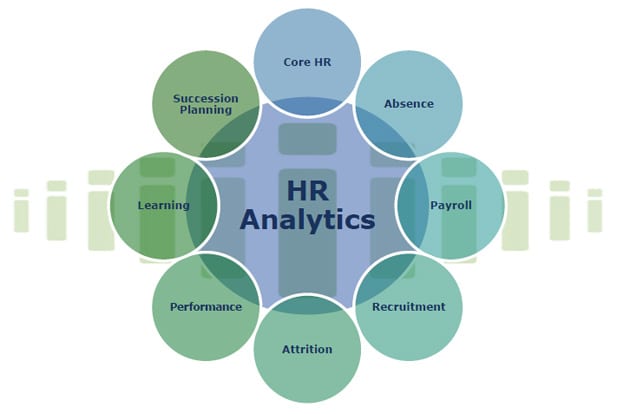
HR analytics data analytics refers to analytics of people, workforce, or talent. The data enables an organization to estimate a range of HR metrics’ impact on the whole business performance. simply, HR analytics is Human Resources Management’s data-driven approach.

Heuvel & Bondarouk define the most applicable scientific HR analytics definitionDecades ago, human resource management might have applied a conventional approach to the process of recruitment, training, and maintaining employees. This HR analytics data-driven approach has been such a great development for human resources management worldwide.

What are The Main Function of Data-driven HR Analytics?

Data-driven HR is the procedure of getting data for informing decisions that relate to every human relation aspect. Those decisions relate to the recruitment process to hiring human resources to provide the salary, benefits, and compensations. The department of HR will analyze data about employees as it gets insights into the main motivation of human resources in joining the company. 

The best thing about Data-driven HR is that the HR department can make workers or employees love their jobs and feel engaged. The analytics is also important to find out the reason why an employee decides to resign. It means data-driven HR is very beneficial in informing HR staff about the effort in improving the satisfaction and retention of employees.

How Beneficial HR Data Analytics Usage Is

Regardless of how easy it is to use data in HR analytics effectively, human resources staff should know several important things. The first and foremost thing is to get as complete data as possible about the current employees. The data may cover reviews of employees’ performance, demographic information, and so forth.

Once the data is complete, the human resource staff should organize it for the sake of easier analysis. It is as simple as creating databases or files like a spreadsheet containing the whole relevant information. After the completion of the analysis, HR staff can get detailed decisions about the strategy of human resources. 

HR data analytics delivers great benefits for an organization. Analytics allows any kind of organization for measuring the people policies’ business impact. Predicting the workforce’s future is one of HR data analytics benefits as management can measure the practices of Human resource financial impact.

HR Analytics Facts

The HR department is required to mix HR data from various systems to start the HR analytics. One of the most common examples is the measurement of employee engagement’s impact on financial performance. The HR department should combine the annual engagement survey with performance data for measuring this relationship. The main areas of human relationships can change, depending on the information from HR analytics. 

Data-driven HR analytics can calculate the budget for the development of learning with the business impact, or estimate new employees who will perform the best in the coming years. It is even amazing that predict employees who will resign within a year. It means that HR analytics can change the procedures of recruiting and selecting.

Data-driven HR helps human resource management in making better decisions in certain aspects, such as: 

Supporting The Levels Of Engagement 

Any organization needs to maintain strong employee engagement. Yet, it is easier said than done. By using HR data analytics, the HR department can figure out the company’s engagement levels from the gathered data from surveys, reviews of performance, and so forth. Improving engagement is beneficial to increase productivity among employees who were low in morale.

Improving the Quality of Recruitment 

The human resource department’s main role is recruiting. It is not an easy role as it requires time, effort, and money. The use of data-driven HR Analytics can target the recruitment process by saving time and money. What’s more, the department has better chances of getting talented human resources.

Ability to Maintain Employees

After recruiting the most talented employees, then HR departments should maintain them by using the HR analytics data. It doesn’t only track the rates of employee development, but also identifies the most common problem areas. Putting together a strategy for retention which addresses common issues is much easier with HR analytics data. 

Increasing Initiatives For Learning And Developing

Any company will have programs for employees to learn and develop. The data can help the HM department to understand the most effective training program. The department will customize the training that meets the employees’ needs by using People Analytics.

Starting HR analytics

The first and foremost thing to do is by finding out certain employees who might be very potential in making progress significantly. It is as easy as using standard statistics. This method can calculate organizational outcomes and people’s potential relationships. Besides, this kind of analytics will help a company to follow certain aspects like performance, absenteeism, burnout, and so forth.

The work of the human resource department will be much easier by using data-driven HR analytics. The available insights will lead to premeditated decisions while optimizing the step-by-step process of business. The work environment has a better atmosphere when the human relation department knows how to motivate the employees.

Keep in mind that data-driven HR analytics is very important for the human resource department. By optimizing its power, HR management can take the best decisions that relate to each aspect of employees’ strategy. The HR department of a company can use the data to make decisions properly as there are significant changes that took place in employment, as there is massive hybrid work popularity.

It requires comprehensive training for all HRD staff to apply the analytics, especially from a company with more than fifty employees. There are various professional courses available in HR data analytics. There are certificates for People Analytics Programs that will enhance the value of the HR department.  

Human Capital Strategy

Human capital and intellectual properties are the most important assets of organization. Large field would be nothing without people to cultivate it. High tech equipment is weapon but without the operator, it would be useless. Huge fund is vital to build business but without people to manage the money, it would be wasted. For that reason, human capital strategy takes a big portion on the growth of the company. Continue reading

Tips for Recruitment Strategy with Social Media

How do you usually hire new employees? Do you share advertisements on TV, newspapers and other old-fashioned advertising media? Though it is still useful, there is more practical way to save your time. It is using the social media.

More and more people go online. They do not only use search engines to look for information or visit commercial websites to shop. Today, they spend their time most on the World Wide Web to access their social media accounts. It means that you will need to use the same platforms to get connected to them.

The social media users are not just the commoners. Even professional and famous people also us the same tools to communicate and share thoughts to others. If you are looking for the suitable candidates to your vacancies, it is going to be a good strategy when using the social media platforms to find them. It is what now called as social hiring.

Continue reading